


The image and the page
Carte blanche aux éditions lamaindonne
To 19 September
“The photography book has a unique quality that sets it apart from other art books. Unlike books devoted to painting, sculpture, or installation art—which feature reproductions of works that exist elsewhere—it is constituted by the work itself. Photography is, in fact, a reproducible medium: the image printed in the book is not merely a representation of a work, but one of its forms of existence. The book is therefore not a mediator between the reader and the work. It allows for a direct experience of the work, without an intermediary.” David Fourré, director of Éditions Lamaindonne
This summer, La Villa Pérochon explores this strong connection between photography and publishing by inviting Éditions Lamaindonne. Featuring eight photographers, this group exhibition reveals the collaborative work between a photographer and their publisher.
In connection with the exhibition
Friday, September 18 – Professional event with France PhotoBook
Saturday, September 19, and Sunday, September 20 – Workshop with David Fourré (details to follow)
Practical information
Opening day
Saturday June 27
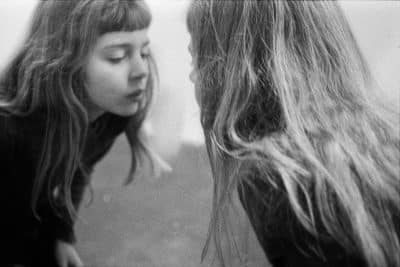
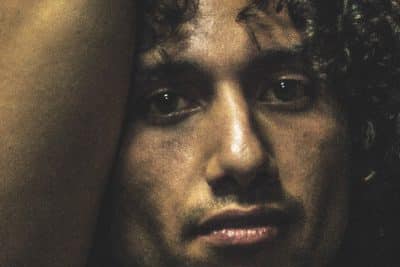
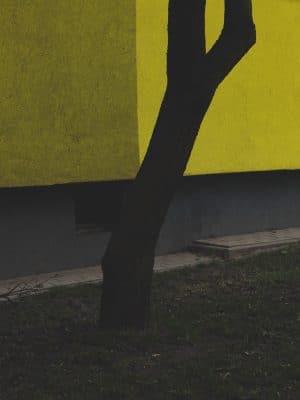
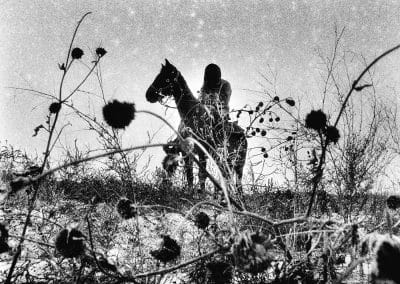
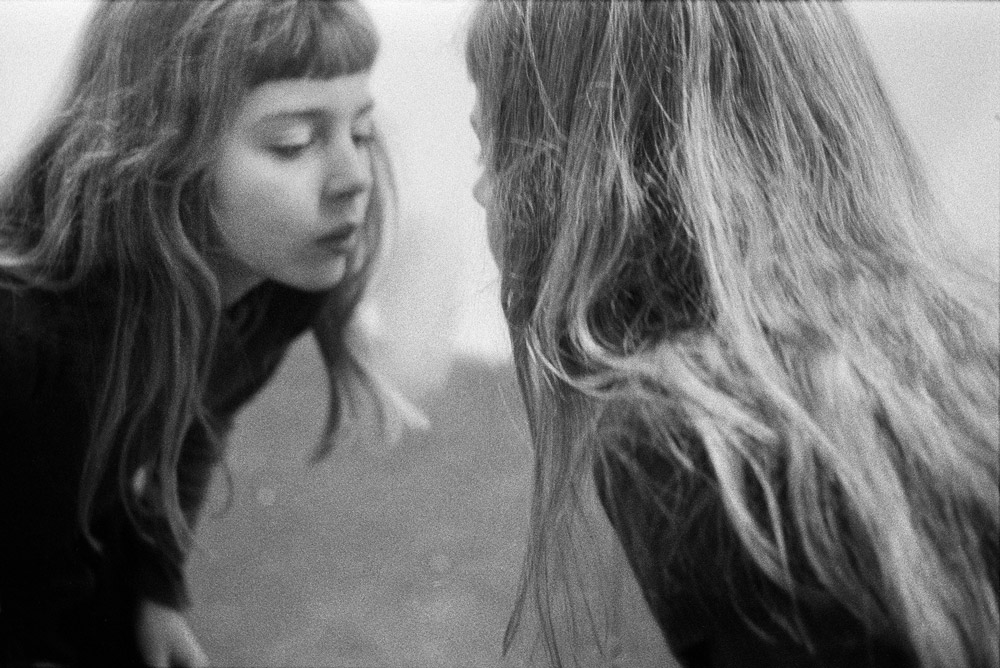
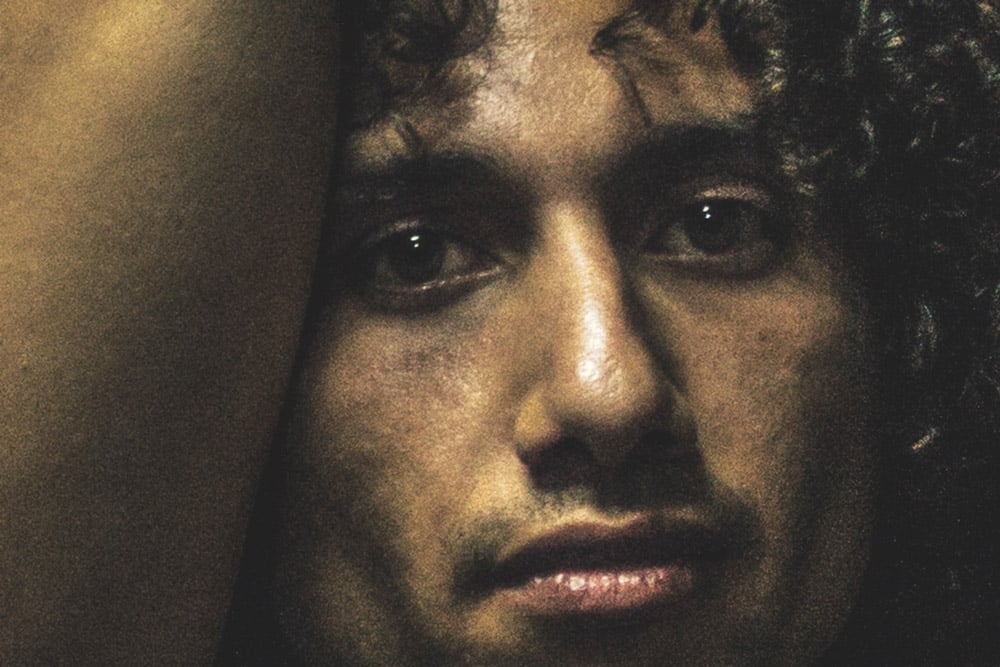
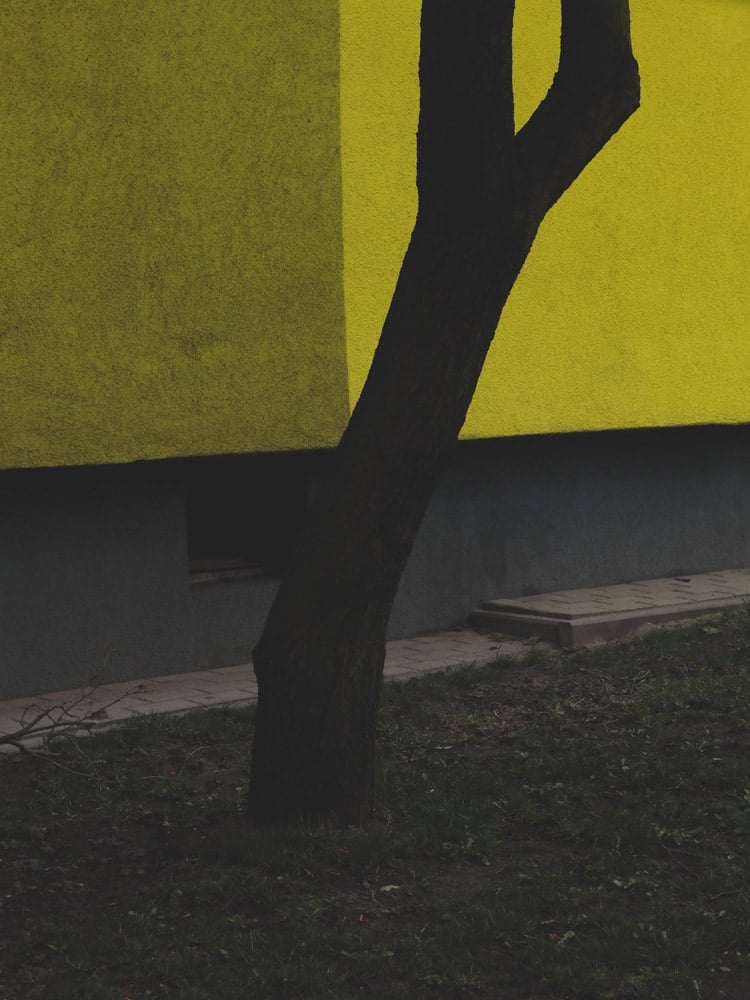
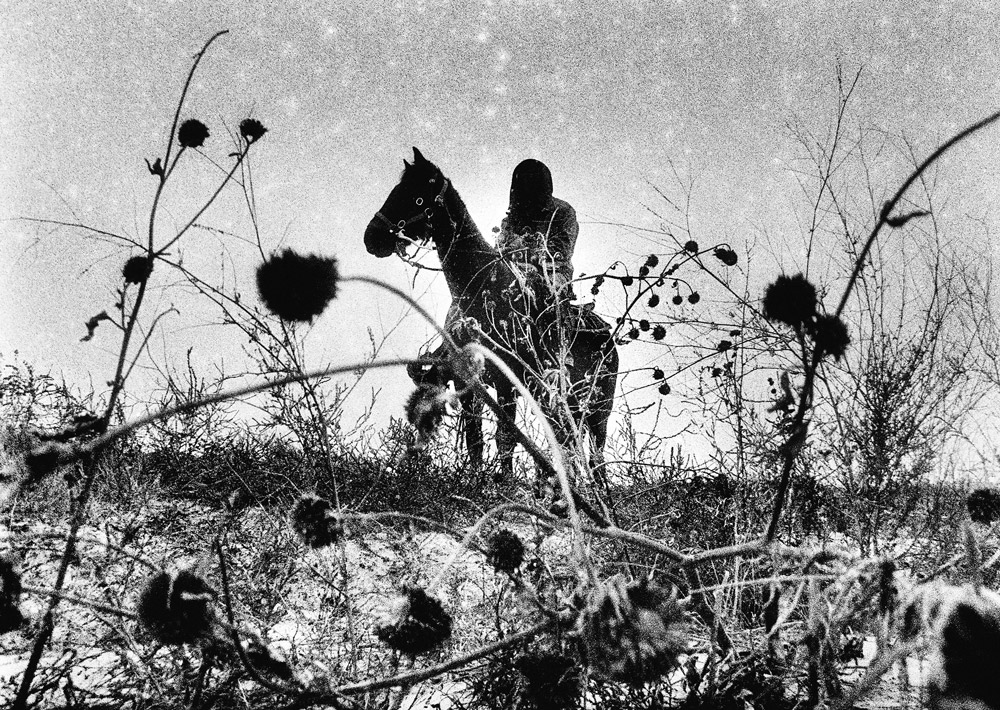
A group exhibition
Martin Bogren
Kodo
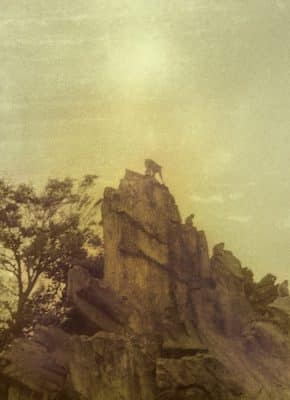
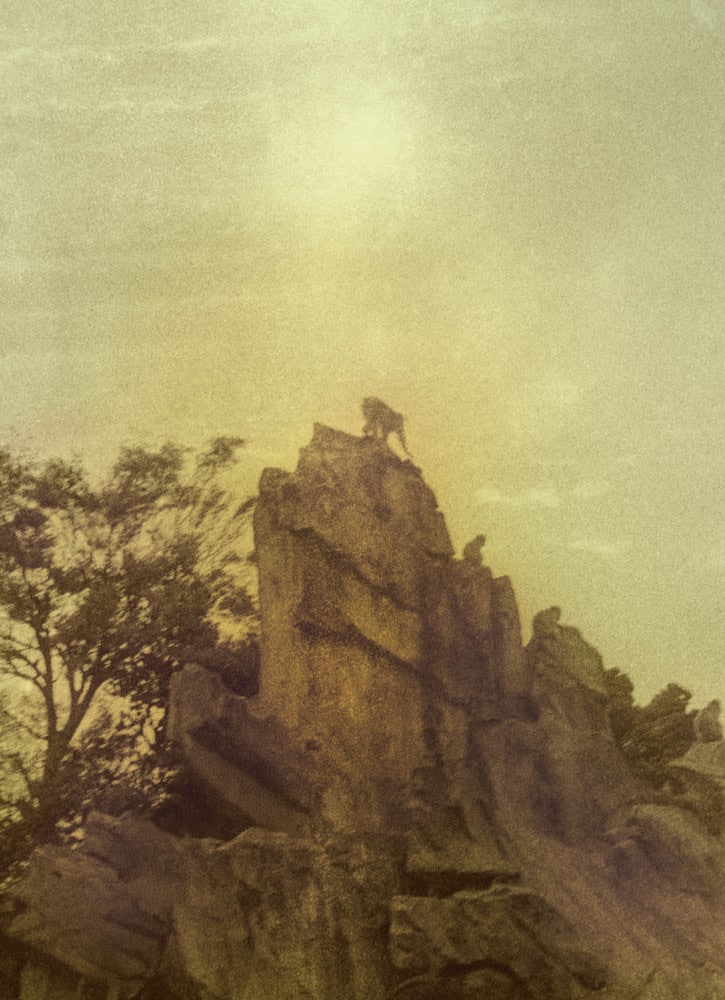
During a trip to Japan, Martin Bogren lost himself for several days on the Kodo, a trail through forests and rocks. It was a spiritual experience that helped him rediscover calm and a new clarity for his photography; and a book that invites us to slow down and listen to ourselves.
Nolwenn Brod
Le Temps de l’Immaturité
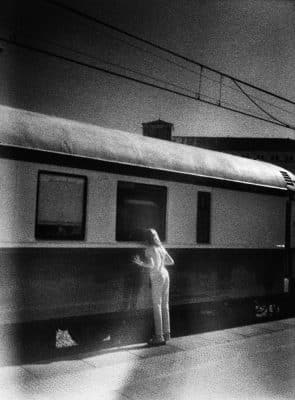
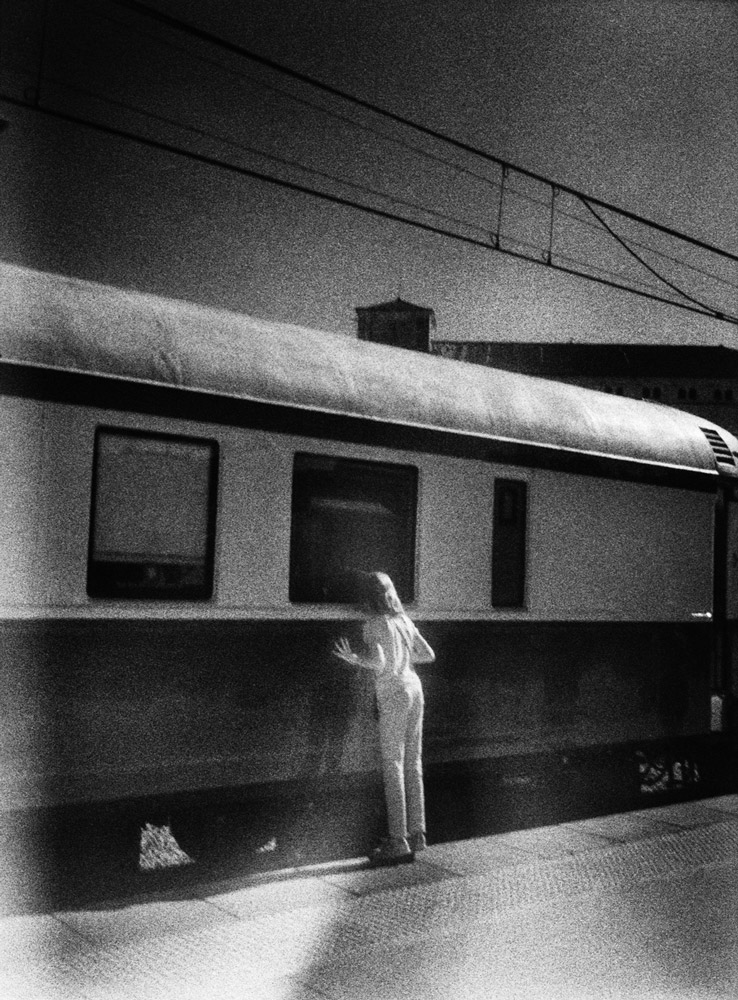
Nolwenn Brod’s urban wanderings are punctuated by faces, body fragments, animals and trees, and she draws on chance encounters as she walks, day and night. Her book is inspired by Witold Gombrowicz’s concepts of “immaturity” and “mouth”.
Julien Coquentin
Severed ear
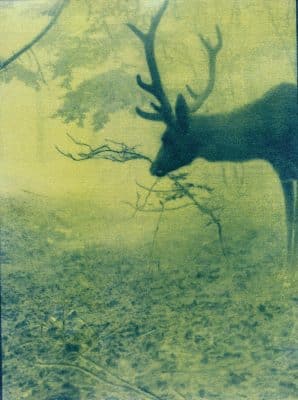
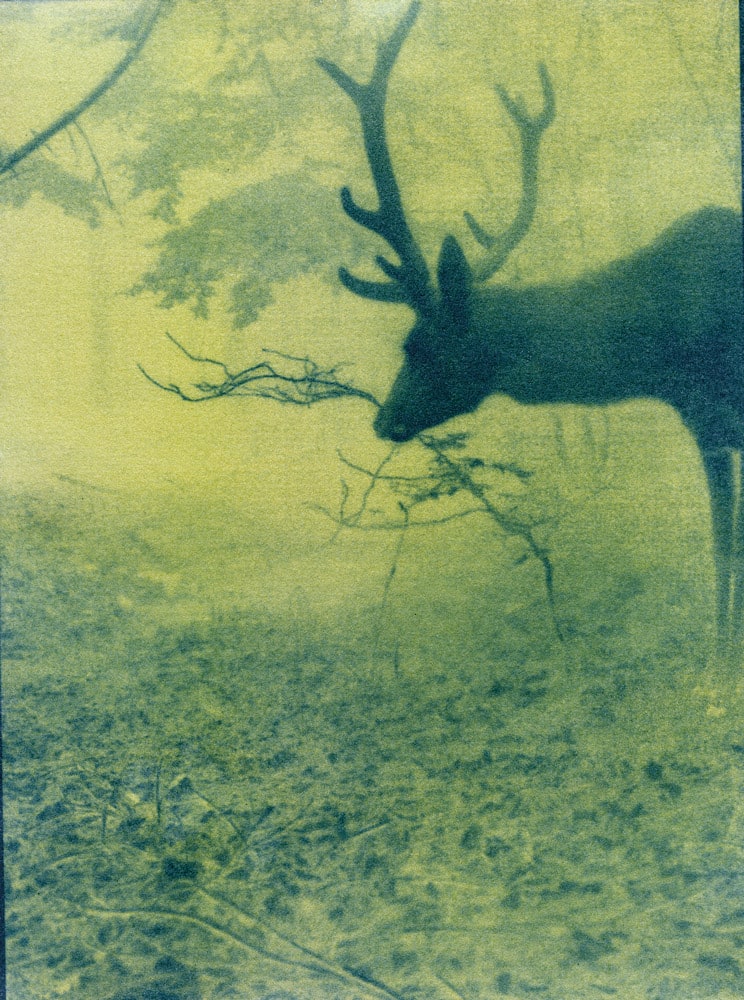
This ecological and sociological investigation follows the wolf’s tracks in the Massif Central. Color photos of the forest, portraits, texts from meetings with breeders and naturalists, archives from Aveyron, photographs taken with camera traps and processed into cyanotypes… Oreille coupée is composed of all these materials, which make sense with the different papers.
Celine Croze
Siempre que
While filming in Venezuela in 2015, Celine Croze discovers the immense vertical cities of Caracas, where violence seems to be part of the landscape, and meets gang leader Yair. She falls in love at first sight. He tells her about his life, the weapons, the fear, the deaths, the impossible dreams.
Damien Daufresne
The Overmorrow
This book is a tale or a fable, one of those stories that you tell in the evening by the light of a small lamp before the other falls asleep; that you tell one evening and then again the next evening, and again and every evening each time a little differently, leaving blanks for the next time.
Gabrielle Duplantier
Wild Rose
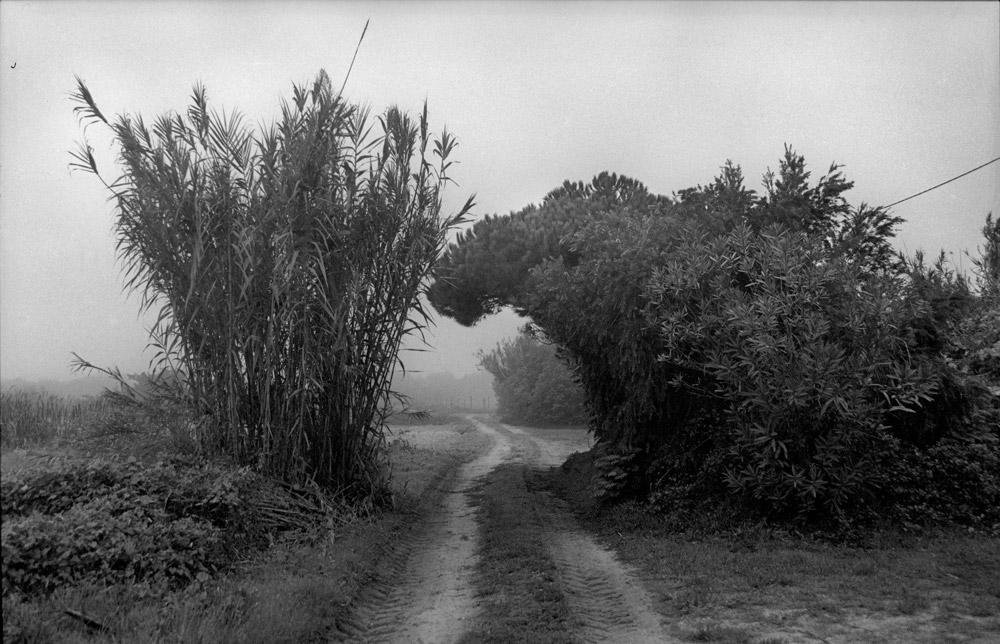
After a series of trips and the episode of confinement, Gabrielle Duplantier is back in her family home, in the middle of the woods near a lake. Here, she builds her own house, like a refuge, a raft. It’s a place where she can find herself, where she can truly be herself…
Gilles Roudière
Soledades
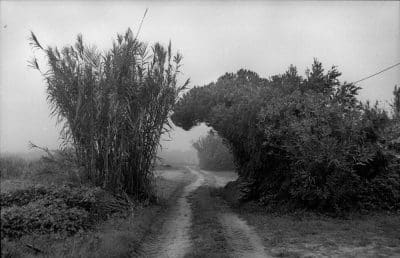
Gilles Roudière spent several months travelling through Andalusia, a region he had never visited before, without any documentary intention, but above all with a view to avoiding commonplace ideas about southern Spain. What he came back with was a sparse, contemplative travel diary that, in the end, reflected an inner journey rather than a geographical exploration.
Simon Vansteenwinckel
To the shadows
Every December, in North and South Dakota, members of the Lakota (Sioux) tribes gather for a 450 km, 15-day ride in temperatures as low as -20°C. They follow in the footsteps of Chief Big Foot, whose 300 members, mainly women and children, were massacred at Wounded Knee. They follow in the footsteps of Chief Big Foot’s tribe, whose 300 members, mostly women and children, were massacred at Wounded Knee on December 29, 1890. Between a spiritual ride and the preservation of ancestral traditions.
Why give Lamaindonne Editions carte blanche?
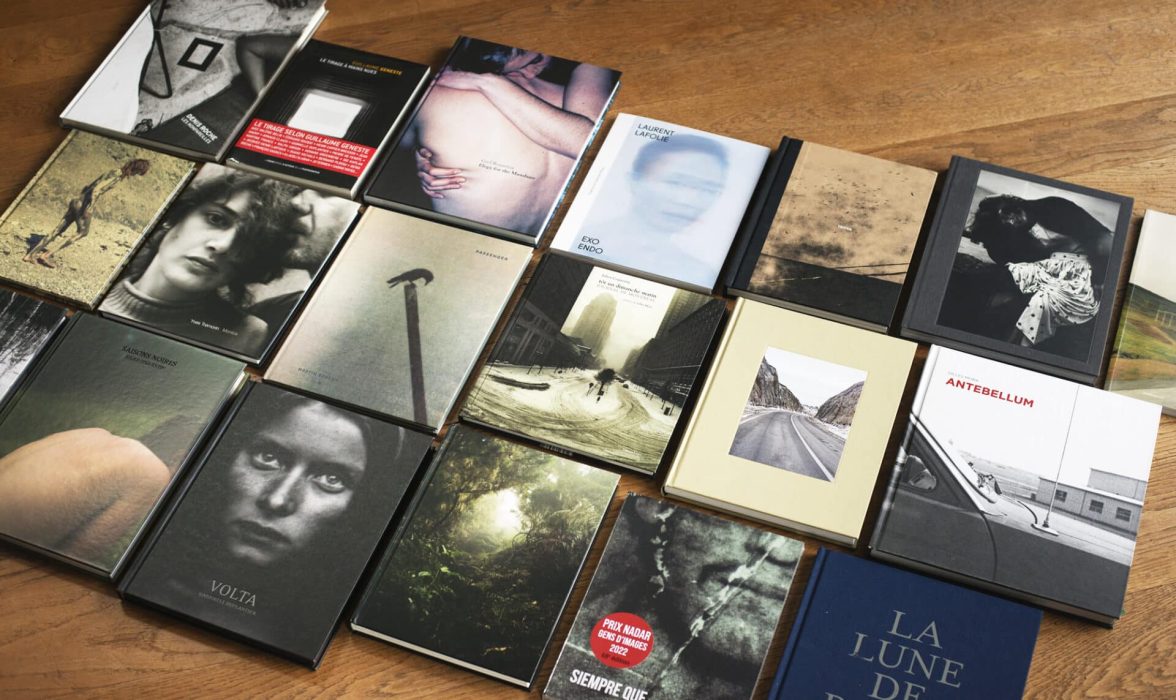
“I love books. I love photography books. I love books when they create spaces of freedom, giving room to words and photographs—sometimes poetic and surreal, more often ghostly, phantasmagorical, almost biblical… I love the photography book when it is conceived as a true narrative object, paying particular attention to the dialogue between images, text, layout, aesthetic standards, and the care taken in the final production. I love the photography book when it invokes the “I,” that first-person singular which is as much the artifact of an embraced intimacy as of a claimed subjectivity.
It is rare to invite a publisher for an exhibition, especially in a certified contemporary art center. Inviting Éditions Lamaindonne isn’t just about showcasing a wide variety of books; above all, it’s about highlighting a cohesive editorial universe—a coherent visual ecosystem where each book seems connected to the next, much like ripples on water. Martin, Nolwenn, Julien, Celine, Damien, Gabrielle, Gilles, Simon—all internationally renowned photographers who share the common thread of being connected to the same publisher.
This original exhibition is an invitation to a family of creative men and women open to the world. In this sense, it echoes the Villa Pérochon’s manifesto for the promotion of committed photography, driven by demanding visual writing. Finally, it is the expression of the art center’s strong support for auteur photography and one of its main vectors: photographic publishing”. Philippe Guionie, Director of the Villa Pérochon-CACP