


VÉGÉTAL
Anaïs Tondeur
Jordan Beal
Photography & Science Award
To 12 December
Prix Photographie & Sciences
2 exhibitions in 1!
Since 2024, La Villa Pérochon, the Center for Contemporary Photography in Niort, has hosted the Photography & Sciences Prize, created by the Artist Residency 1+2 in Toulouse.
The goal? To help a photographer bring a project that blends the two disciplines to fruition.
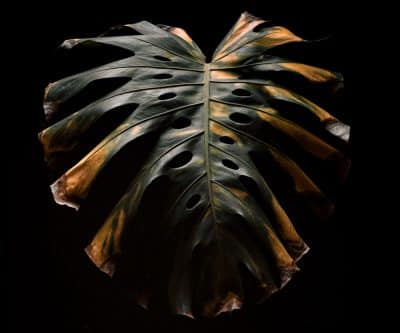
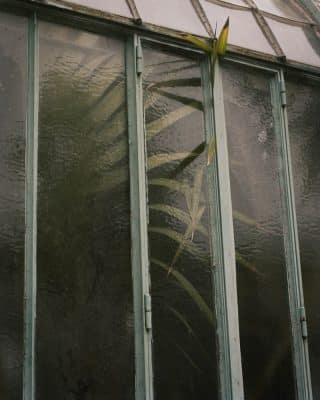
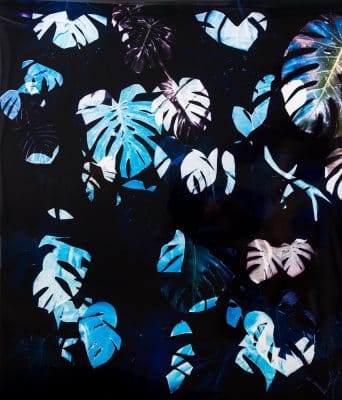
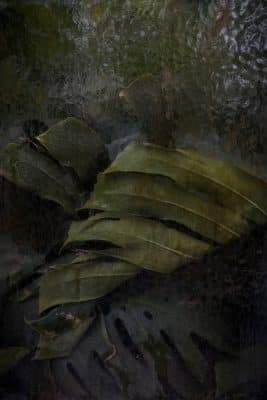
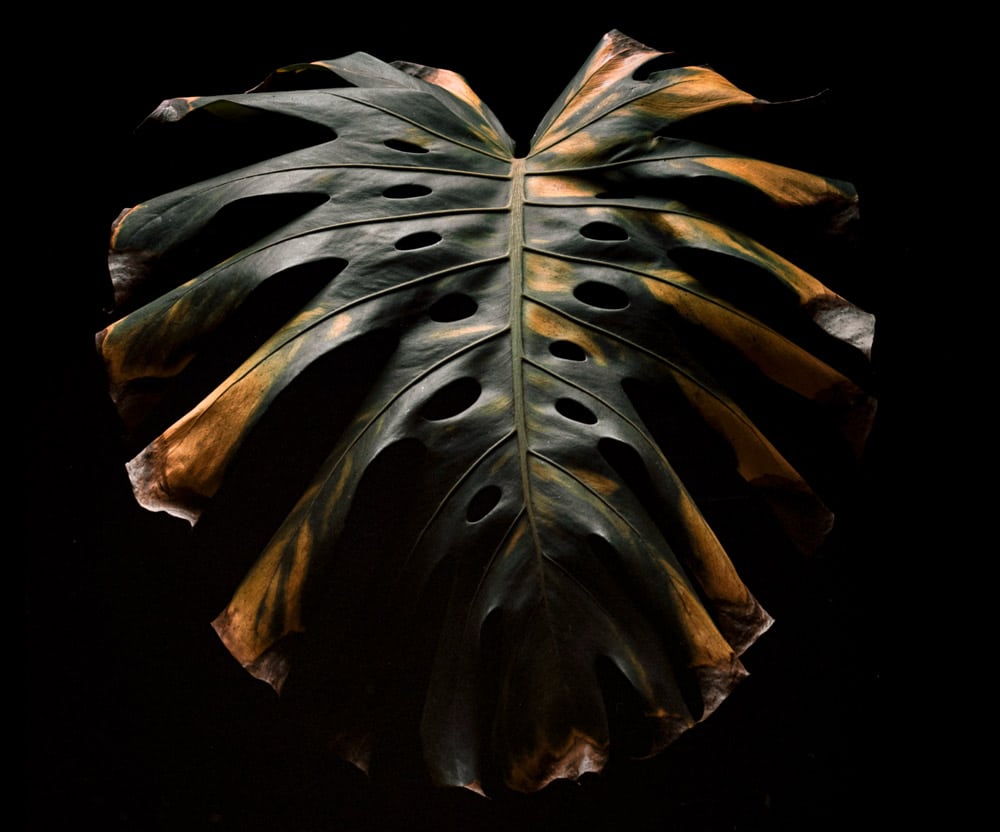
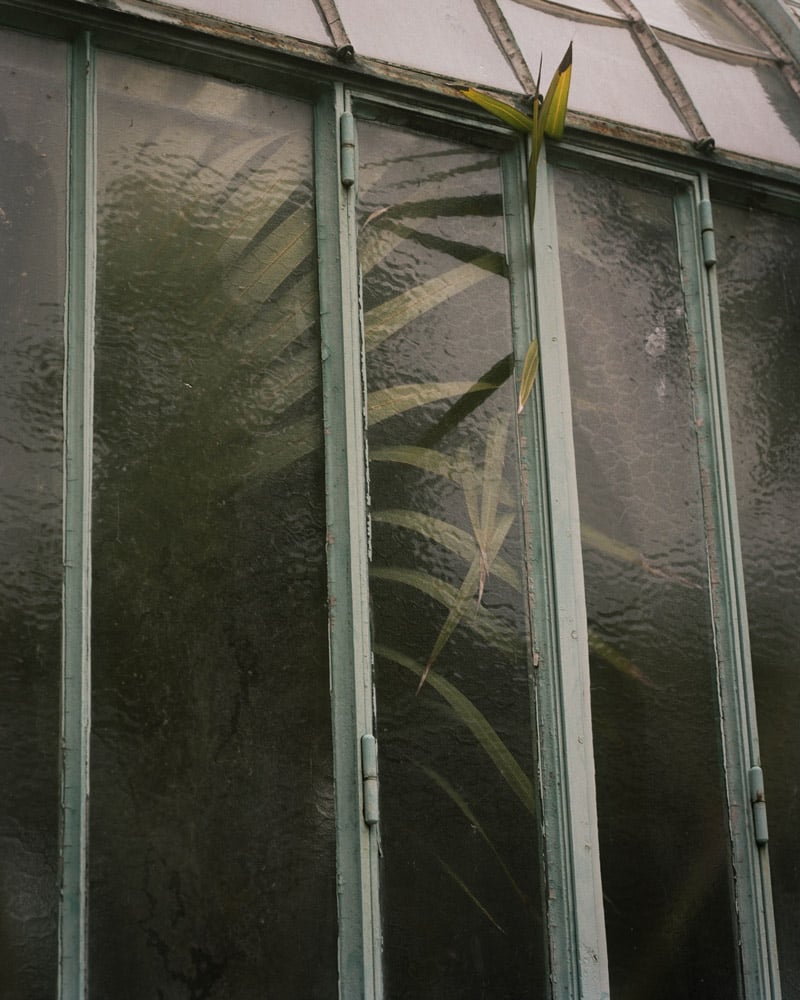
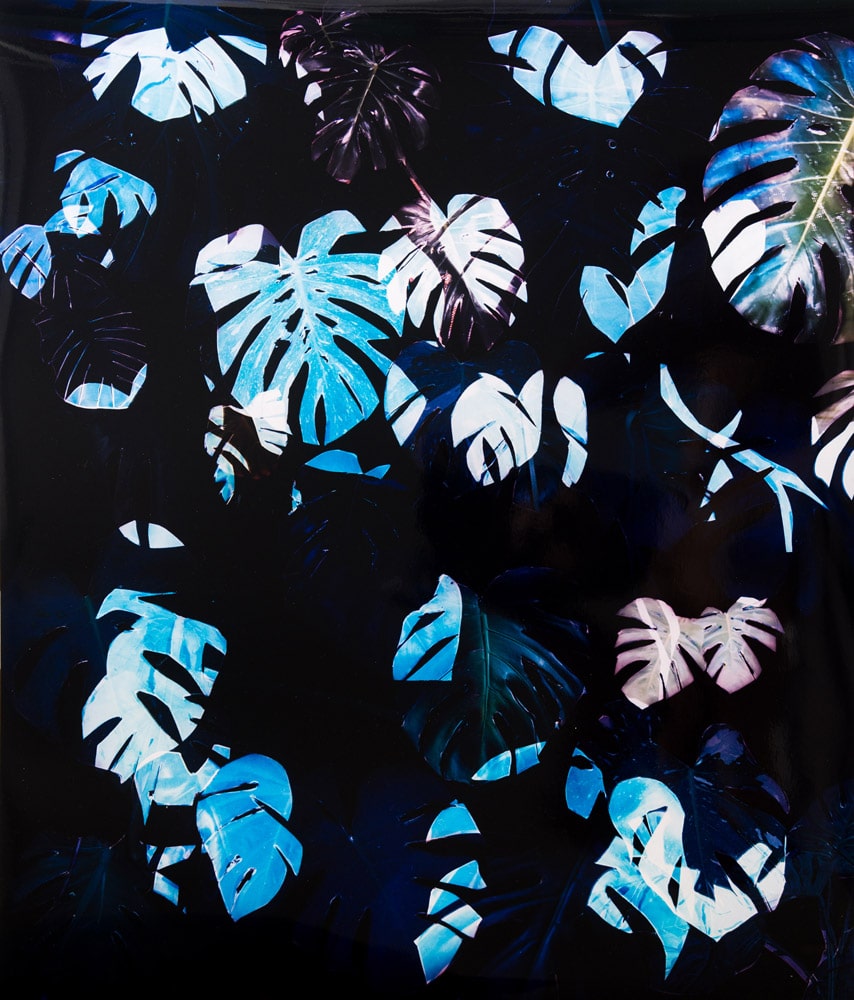
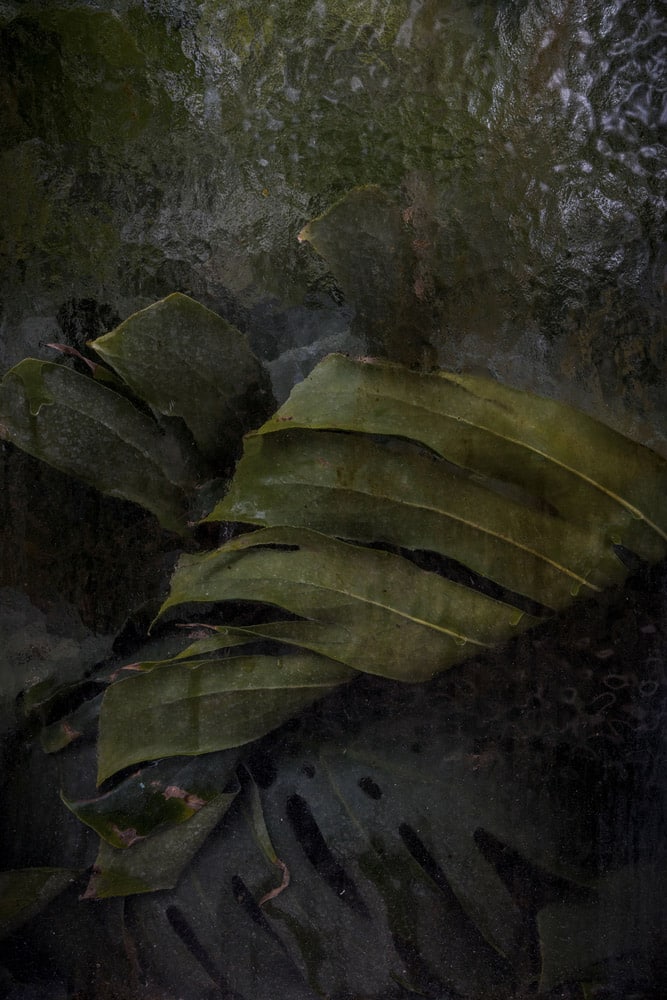
This fall, La Villa Pérochon is presenting a group exhibition titled VÉGÉTAL, featuring two award winners: Jordan Beal— the 2025 winner for his series *Deliciosa* —and Anaïs Tondeur —the 2023 winner for her series *Fleurs de feux*. Although their practices and intentions are not exactly the same, both Anaïs Tondeur and Jordan Beal use the plant realm not merely as a motif for representation, but as an interlocutor and a revelation of the relationships between humans, territories, history, and the living world.
OPEN HOUSE – SATURDAY, OCTOBER 3
11 a.m. – Opening Reception with the photographers in attendance.
Food truck—have lunch at Villa Pérochon!
3:00 p.m. — Talk: “Plants as Objects of Study and Resilience” with Anaïs Tondeur and Jordan, Beal, moderated by Emilia Genuardi, founder and director of the unRepresented and a ppr oc he art fairs (Paris) and new president of the Pour l’instant association.
5:30 p.m. – Guided tour by the photographers.
These events are free and part of the 2026 Fête de la Science.
Practical information
Jordan Beal
Delicious
In contemporary interiors, boutiques, apartments, film sets… the Monstera Deliciosa, this plant with “curiously lobed leaves,” knows how to make itself invisible through its ubiquity. From graphic patterns in the corner of a page to urban jungles, more than just an ornamental plant, it seems to have established itself as a symbolic plant whose visual saturation—suspended above the ground—appears to evoke a certain longing for nature.
In 1693, botanist Charles Plumier identified a plant of the Monstera genus (Monstera adansoni) in Martinique for the first time. In the 19th century, Monstera deliciosa, “discovered” in Central America, found its way into European greenhouses as a symbol of exoticism and prestige. Three centuries later, the initial drive to catalog and capture has given way to a drive toward mass production. Thousands of monstera plants are propagated and exported from European greenhouses, while communities of collectors continue the legacy of the first botanists, seeking out “the rarest and most curious” that nature can produce, all while fostering the creation of greater diversity.
Biography
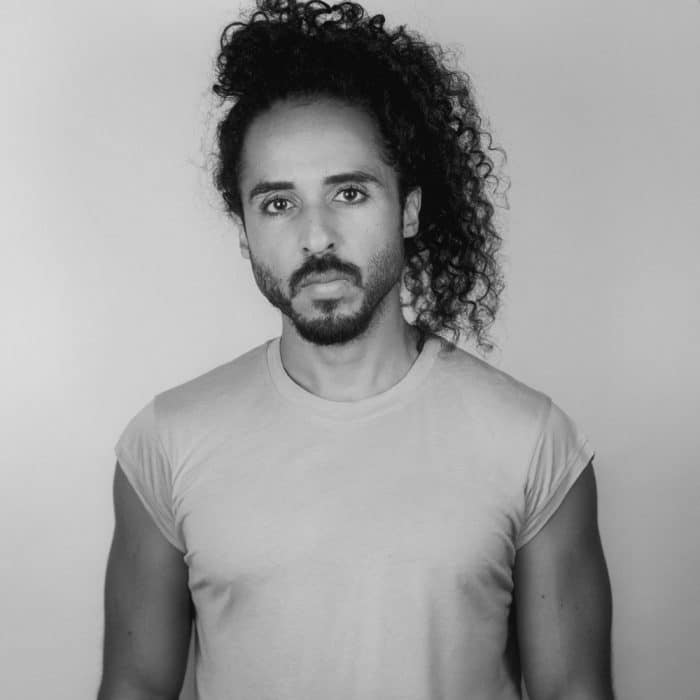
Martinique, 1991. Operating at the intersection of image and photography, reality and the capture of the imagination, Jordan Beal’s work blends techniques and materials, site-specific visions, and collective abstractions. Rooted in experimental visual art and influenced by his practice of musical composition, the artist manipulates the photographic negative—through submersion, chemical reaction, burial, double exposure, or direct cutting—to reveal its tangible and poetic nature. By creating new ways of seeing the world, his works offer an exploration of the present and history, developing a free and powerful perspective on the concepts of nature and territory. New landscapes emerge from the medium of photography—murky and troubled horizons that often evoke the movement of bodies and plants, natural and political boundaries, and the opacity of waters, islands, seas, and their languages.
Jordan Beal’s Website
Anaïs Tondeur
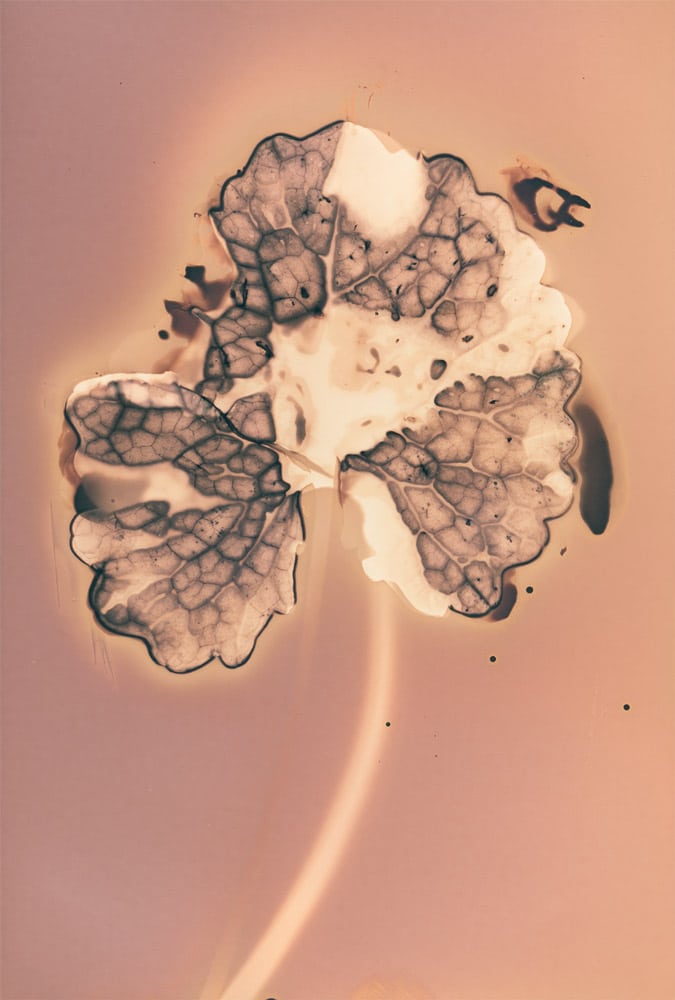
Fleurs de feux
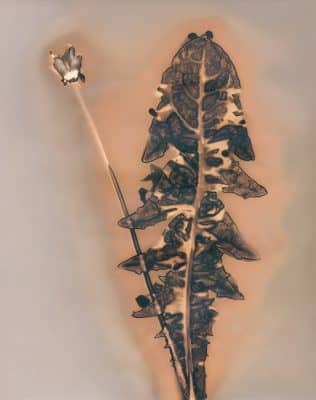
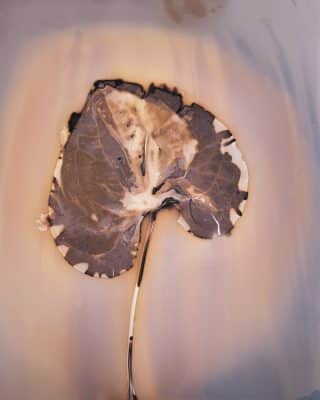
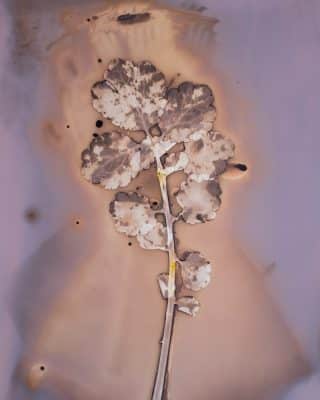
Blending photography and ecology, botany and philosophy, this project is developed in partnership with the plants that grow in the extreme soils of the Anthropocene.
Guided by the residents of Terra dei Fuochi, in the Naples region, this project takes shape through a correspondence between artist Anaïs Tondeur, philosopher Michael Marder, and the plant communities that healed the inhabitants before the eruption of Vesuvius at the beginning of our era and that today help to heal the soils of Campania, scarred by the incineration and burial of illegal and toxic waste.
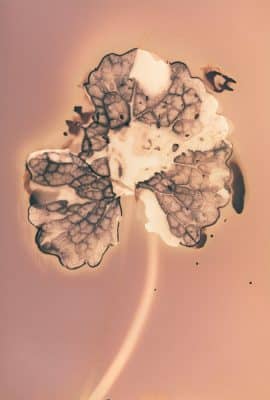
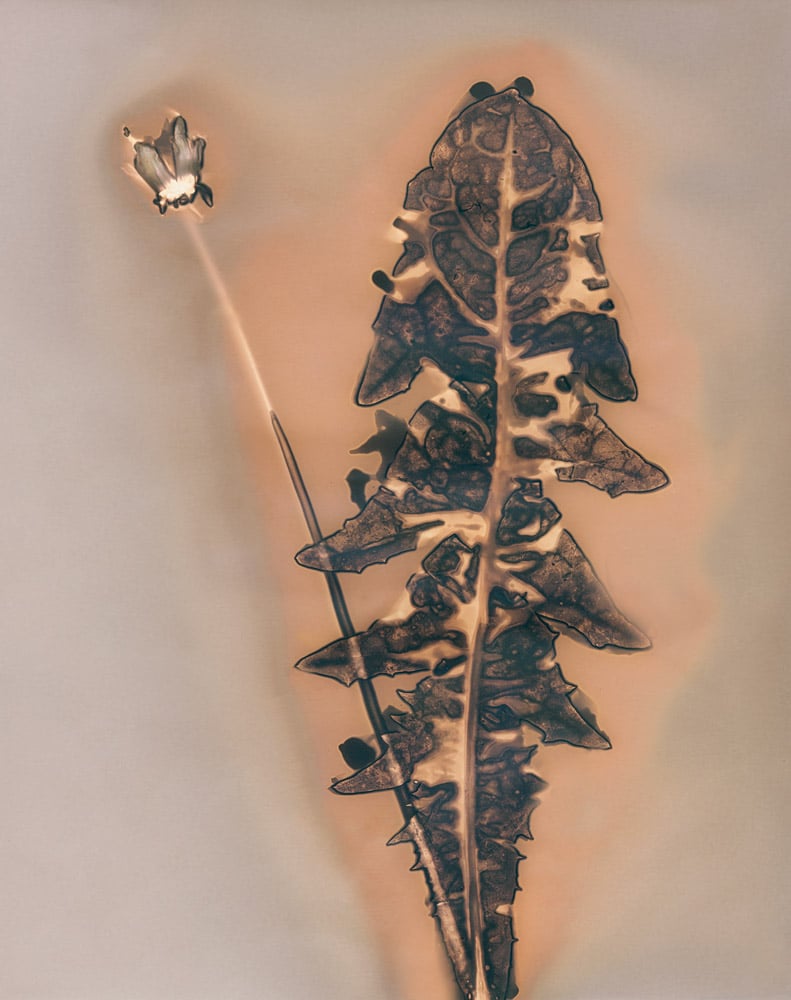
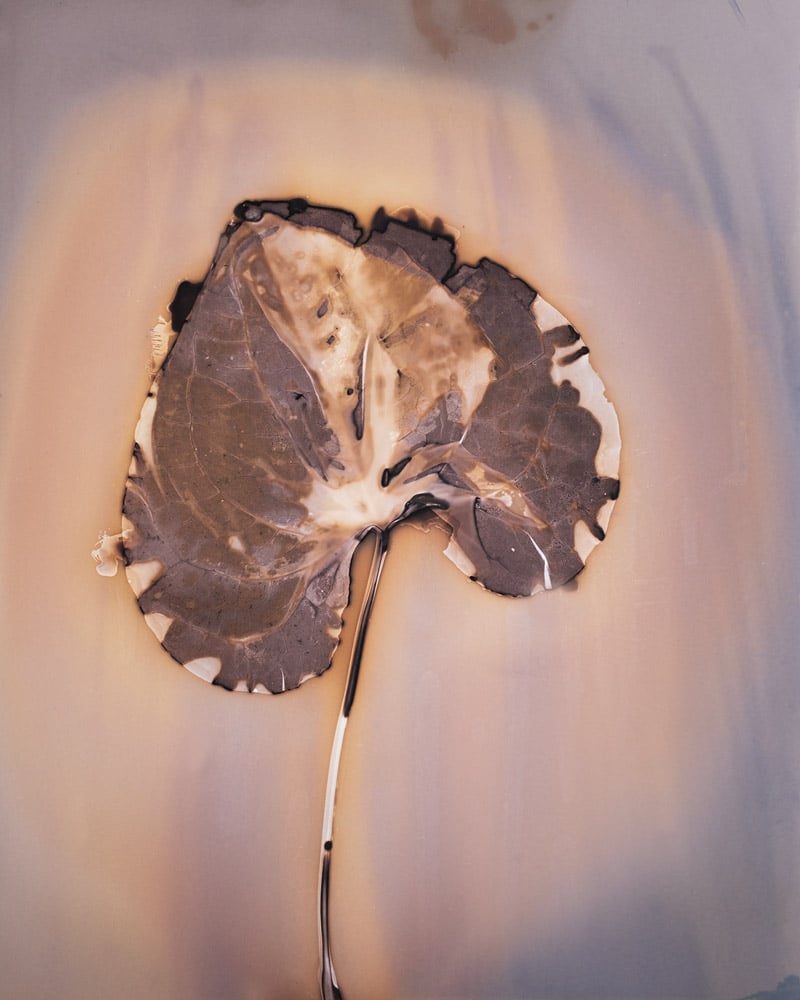
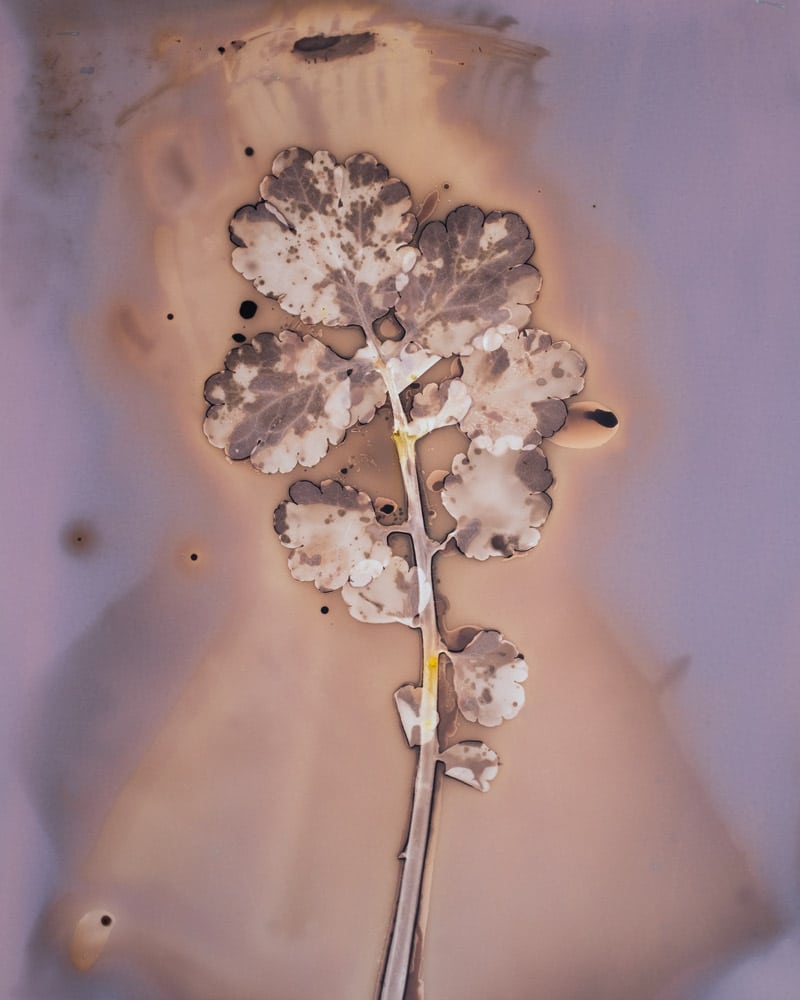
Using an experimental and ecological photographic protocol, this encounter through images took place with no intervention other than bringing the elements present into contact via a process of phytography. Following the activation of the phenol molecules present in its fibers, the plant is invited to leave its imprint on the photosensitive surface.
Biography
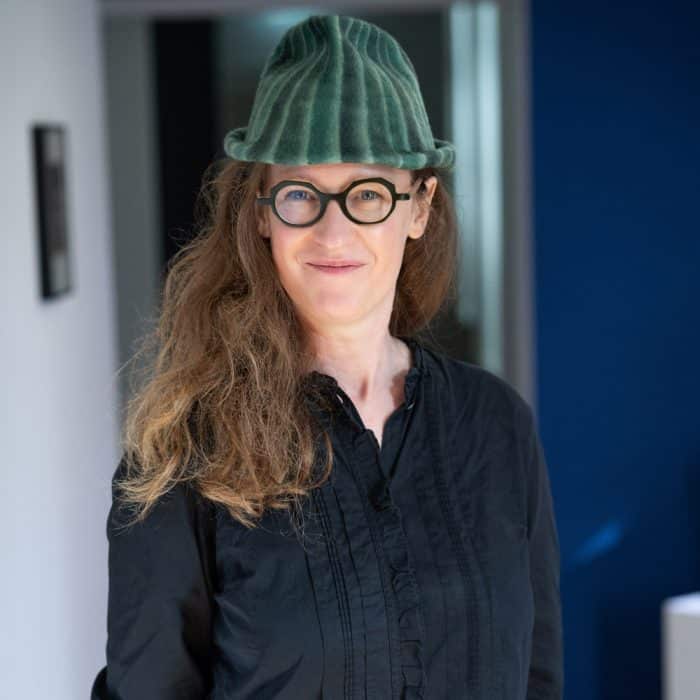
Anaïs Tondeur. Born in 1985. Lives and works in Paris.
Focusing on the invisible materialities of air and climate, photographer Anaïs Tondeur captures images at the intersections of our bodies and our environments, paying close attention to our living spaces, in collaboration with researchers in the social sciences and Earth sciences.
Rooted in the fundamental techniques of photography, her practice combines alchemy and care. Through processes attuned to their own entanglements in the world, she works with the image as a sensitive membrane: a porous surface that receives and makes perceptible the presence of beings ordinarily eclipsed by dominant regimes of visibility. She conceives of photography as a threshold: a meeting ground through which neglected forms of life are invited to speak. In this act, the image emerges from a partnership, a way of attuning oneself to the agency of non-human worlds.
Anaïs Tondeur’s Website
The Photography & Science Prize
La Villa Pérochon – CACP, the Ministry of Higher Education and Research, ADAGP, Maif, and the SwissLife Foundation are committed to supporting contemporary photography by establishing the Photography & Sciences Award, in partnership with media partners Fisheye and Sciences et Avenir – La Recherche.
This annual prize is open to all professional photographers on the French scene (French creators or artists working and/or residing in France, regardless of nationality) who are developing an authorial photographic practice. A prize of 6,000 euros will help the winning photographer complete a photographic series currently in progress that combines photography (in all its forms) and the sciences (across all disciplines), in France and/or abroad.
Previously organized by the Artist Residency 1+2 in Toulouse, the Prix Photographie & Sciences is now organized by La Villa Pérochon, a contemporary art photography center of national interest in Niort.